There are many festivals in China, but if I try to go into depth on everyone of them it will take day. Thus, I would like to focus on the essential ones. Spring Festival is the most important festival for the Chinese people and is when all family members get together, just like Christmas in the West. All people living away from home go back, becoming the busiest time for transportation systems of about half a month from the Spring Festival. Airports, railway stations and long-distance bus stations are crowded with home returnees.
Waking up on New Year, everybody dresses up. First they extend greetings to their parents. Then each child will get money as a New Year gift, wrapped up in red paper. People in northern China will eat jiaozi, or dumplings, for breakfast, as they think "jiaozi" in sound means "bidding farewell to the old and ushering in the new". Also, the shape of the dumpling is like gold ingot from ancient China. So people eat them and wish for money and treasure.Burning fireworks was once the most typical custom on the Spring Festival. People thought the spluttering sound could help drive away evil spirits. However, such an activity was completely or partially forbidden in big cities once the government took security, noise and pollution factors into consideration. As a replacement, some buy tapes with firecracker sounds to listen to, some break little balloons to get the sound too, while others buy firecracker handicrafts to hang in the living room.
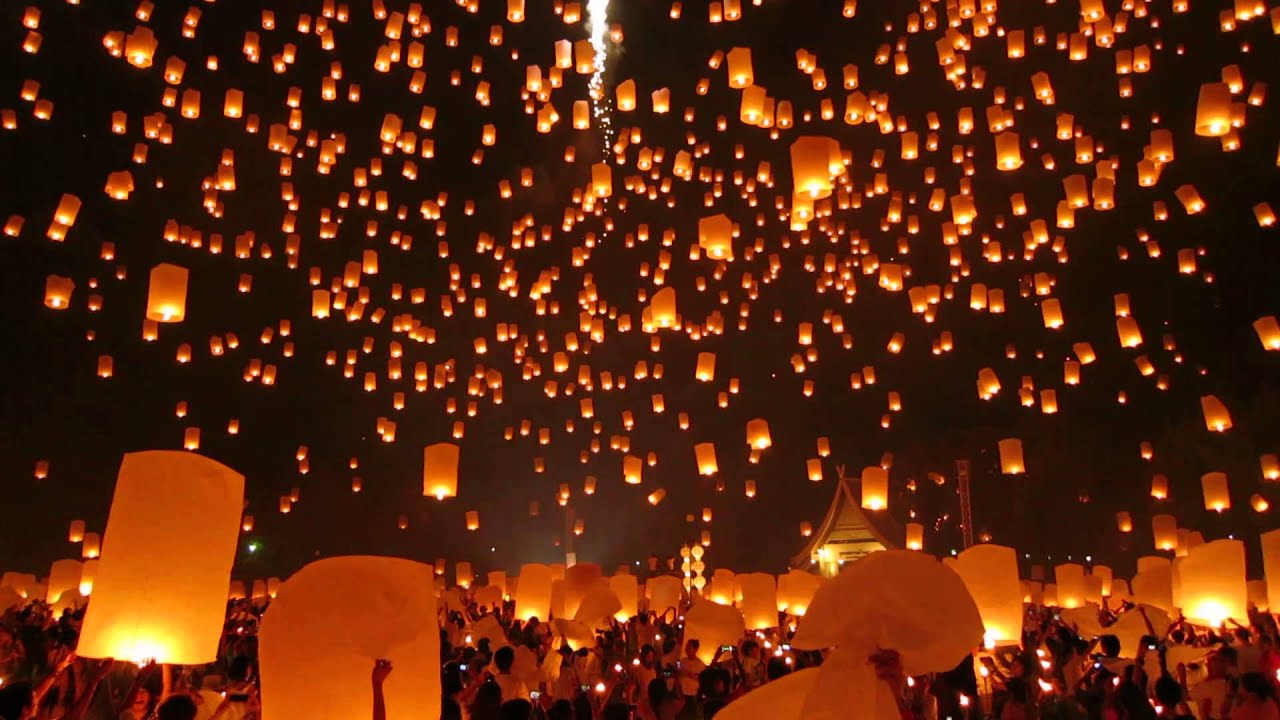
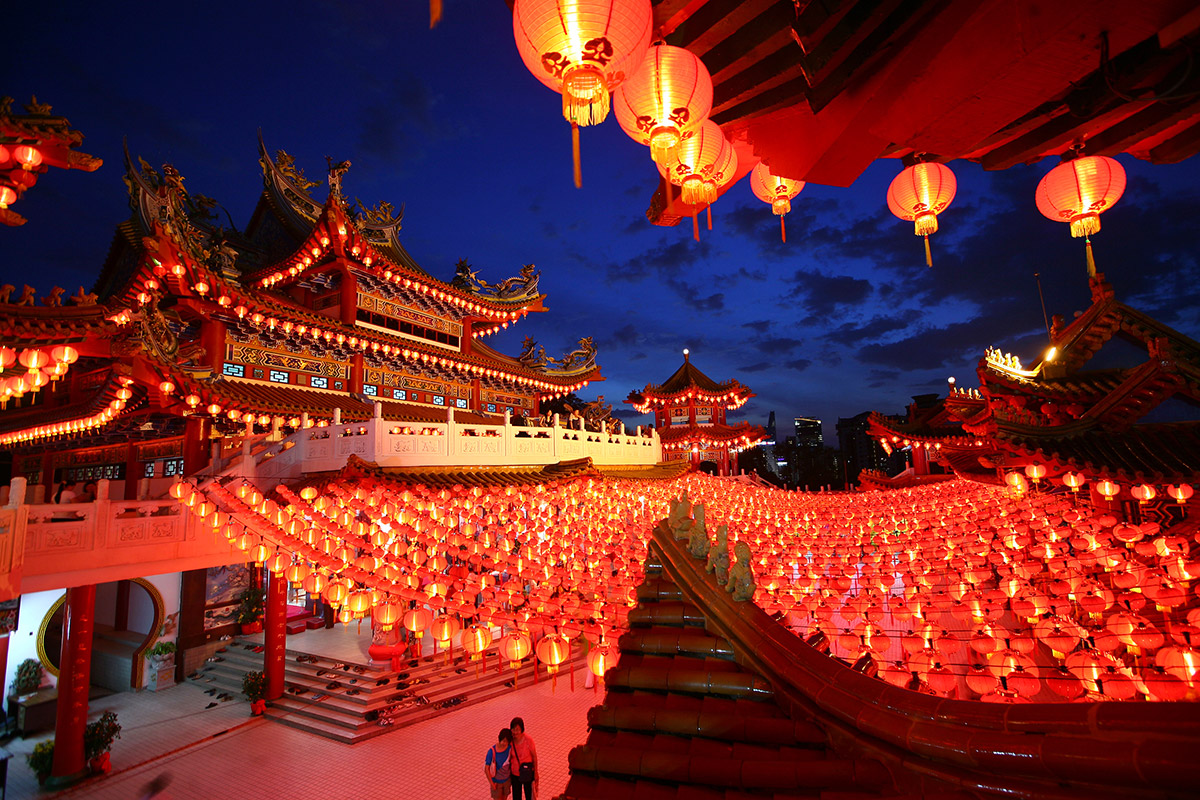
Following next is the Lantern Festival Falling on the 15th day of the first lunar month, Lantern Festival is the first significant feast after Spring Festival, so called because the most important activity during the night of the event is watching various wonderful lightened lanterns.. And because every household eats yuanxiao (a rice ball stuffed with different fillings) on that day, it is called Yuan Xiao Festival. For its rich and colorful activities, it is regarded as the most recreational among all the Chinese festivals and a day for appreciating the bright full moon, and family reunion.

Additionally, Qingming Festival is another important festival also known as Pure Brightness Festival or Tomb-sweeping Day, which falls on either April 4th or 5th of the Gregorian calendar, is one of the Chinese Twenty-four Solar Terms. From that date temperatures begin to rise and rainfall increases, indicating that it is the crucial time for plowing and sowing in the spring. The festival therefore has a close relationship with agriculture. However, it is not only a seasonal symbol; it is also a day of paying respect to the dead, a spring outing, and other activities.
Qingming Festival is a time of many different activities, among which the main ones are tomb sweeping, taking a spring outing, and flying kites. Some other lost customs like wearing willow branches on the head and riding on swings have added infinite joy in past days. It is a combination of sadness and happiness.

Lastly, I would like to talk about Dragon Boat Festival, falling on the 5th day of the 5th month according to Chinese lunar calendar, the Dragon Boat Festival, also known as Duanwu Festival, is one of great significance. It has been held annually for more than 2,000 years and is notable for its educational influence. Many legends circulate around the festival but the most popular is the legend of Qu Yuan.
Dragon boats are thus named because the fore and stern of the boat is in a shape of traditional Chinese dragon. A team of people works the oars in a bid to reach the destination before the other teams. One team member sits at the front of the boat beating a drum in order to maintain morale and ensure that the rowers keep in time with one another. Legend holds that the race originates from the idea of the people who rowed their boats to save Qu yuan after he drowned himself in the river. It is said that the winning team will bring harvest and happy life to the people of their village.
It is a wonderful thing about the human spirit. Celebration of festivals is a beautiful thing.
Have you noticed that we have something to celebrate every month? It helps remind us of history and traditionsEvery time when there's a festival I always feel a quiet gratitude in my heart that I have something to celebrate! 